HRMS Software ROI: How Businesses Save Time and Money In today’s fast‑paced business environment, HR teams are under more pressure than ever. They’re expected to manage recruitment, onboarding, payroll, performance, compliance, employee engagement, and workforce planning — all while keeping costs low and productivity high. But here’s the truth: manual HR processes can no longer keep up with modern workforce demands. They drain time, increase errors, and limit a company’s ability to scale. That’s why more organizations are turning to Human Resource Management Systems (HRMS) to automate routine tasks, streamline operations, and unlock measurable ROI. HRMS software is no longer a “nice‑to‑have.” It’s a strategic investment that directly impacts business efficiency, cost savings, and long‑term growth. In this article, we’ll break down exactly how HRMS software delivers ROI — and why businesses that adopt it early gain a competitive advantage. Reducing Manual Workload and Administrative Costs One of the biggest contributors to HRMS ROI is the dramatic reduction in manual administrative work. Traditional HR processes involve endless paperwork, spreadsheets, emails, and repetitive tasks that consume hours of staff time. How HRMS Saves Time Automates attendance and leave tracking Eliminates manual payroll calculations Streamlines onboarding and document collection Simplifies employee data management Reduces back‑and‑forth communication For example, instead of HR manually updating attendance sheets or chasing employees for documents, HRMS automates the entire workflow. This frees HR teams to focus on strategic initiatives like talent development and workforce planning. Cost Impact Businesses save money by: Reducing overtime hours Minimizing administrative staffing needs Eliminating paper‑based processes Avoiding costly human errors Even small businesses see significant savings when repetitive tasks are automated. Improving Payroll Accuracy and Compliance Payroll errors are expensive — not just financially, but also in terms of employee trust and legal compliance. Manual payroll processes often lead to: Incorrect salary calculations Misapplied deductions Delayed payments Compliance violations HRMS software eliminates these risks by automating payroll with built‑in rules, tax calculations, and compliance checks. How HRMS Improves Payroll ROI Ensures accurate salary processing Reduces compliance penalties Minimizes disputes and rework Supports WPS and local labor law requirements (especially in the UAE) Accurate payroll builds employee confidence and reduces the time HR spends resolving payroll issues. Faster and More Efficient Recruitment Recruitment is one of the most time‑consuming HR functions. Without automation, HR teams spend hours screening resumes, scheduling interviews, and tracking candidate progress. HRMS software accelerates hiring by: Automating job postings Filtering resumes using smart criteria Managing interview scheduling Tracking candidate status in real time ROI Impact Faster hiring reduces vacancy costs Better candidate matching improves retention Automated workflows reduce recruiter workload A streamlined recruitment process means businesses can secure top talent before competitors do. Enhancing Employee Productivity and Engagement Employee engagement directly affects productivity, retention, and overall business performance. HRMS platforms include tools that empower employees and reduce HR dependency. Self‑Service Features That Save Time Leave requests Payslip downloads Profile updates Expense submissions Attendance corrections When employees can manage their own HR tasks, HR teams spend less time on routine queries. Engagement Tools That Boost ROI Performance management Goal tracking Feedback systems Learning and development modules Engaged employees are more productive, stay longer, and contribute more to business growth. Reducing Errors and Improving Data Accuracy Manual data entry is prone to mistakes — and even small errors can lead to major financial consequences. HRMS software centralizes all HR data in one secure system, ensuring accuracy and consistency. Benefits of Accurate HR Data Better decision‑making Reliable reporting Improved compliance Reduced operational risk Accurate data also helps leadership forecast workforce needs and plan budgets more effectively. Streamlining Compliance and Reducing Legal Risks Compliance is one of the most overlooked areas where HRMS delivers massive ROI. Labor laws, tax regulations, and industry standards change frequently, and manual compliance tracking is risky. HRMS software helps businesses stay compliant by: Automating record‑keeping Maintaining audit trails Ensuring accurate payroll Managing employee contracts Tracking mandatory benefits and entitlements ROI Impact Avoids fines and penalties Reduces legal exposure Ensures smooth audits Protects company’s reputation For businesses in regulated industries, HRMS is essential for compliance management. Enabling Data‑Driven HR Decisions HRMS platforms provide real‑time analytics and dashboards that help leaders make informed decisions. Instead of relying on guesswork, businesses gain insights into: Workforce productivity Attendance trends Hiring performance Turnover rates Training effectiveness How Analytics Improve ROI Identify cost‑saving opportunities Optimize workforce planning Improve retention strategies Reduce unnecessary hiring Data‑driven HR is more efficient, strategic, and aligned with business goals. Supporting Business Scalability As businesses grow, HR complexity increases. Manual processes simply cannot scale. HRMS software grows with the organization, supporting: More employees Multiple locations Remote and hybrid teams Complex payroll structures Expanding compliance requirements ROI Impact No need to hire additional HR staff Smooth onboarding during expansion Consistent HR processes across teams Scalability is one of the strongest long‑term ROI drivers of HRMS adoption. Reducing Employee Turnover Costs Replacing an employee can cost anywhere from 30% to 200% of their annual salary. HRMS software helps reduce turnover by improving: Employee experience Performance management Recognition and feedback Career development ROI Impact Lower hiring costs Higher retention Stronger company culture Happy employees stay longer — and that directly impacts profitability. Calculating HRMS ROI: What Businesses Can Expect While ROI varies by company size and industry, most businesses see returns in: Time Savings HR teams save 30–50% of their time by automating routine tasks. Cost Savings Companies reduce HR operational costs by 20–40%. Error Reduction Payroll and compliance errors drop by up to 90%. Productivity Gains Employees become more self‑sufficient and engaged. Scalability Businesses grow without increasing HR headcount. When you combine these benefits, HRMS software often pays for itself within the first year. Conclusion HRMS software is more than a digital tool — it’s a strategic investment that transforms how businesses manage their workforce. By automating routine tasks, improving accuracy, enhancing employee experience, and supporting data‑driven decisions, HRMS delivers measurable ROI in both time and money. Companies that adopt HRMS early gain a competitive edge, operate more efficiently, and build a stronger foundation for long‑term growth. In a world where agility and efficiency matter more than ever, HRMS is the key to unlocking a smarter, more productive HR function. FAQ: 1. How does HRMS software help businesses save money? HRMS software reduces administrative costs by automating payroll, attendance, onboarding, and compliance tasks. It also minimizes errors, lowers overtime expenses, and reduces the need for additional HR staff as the company grows. 2.

HR Managed Services
HR Managed Services: A Scalable Solution for Modern Workforce Challenges Managing employees today is not as simple as it used to be. Businesses are handling remote teams, changing labor laws, payroll complexities, employee expectations, and hiring challenges all at once. Whether it’s a startup or a large enterprise, every organization wants smoother HR operations without spending too much time or money. This is where HR Managed Services steps in like a reliable co-pilot for your business journey. Instead of struggling with endless paperwork, compliance worries, and administrative tasks, companies can rely on expert HR support that grows along with their business. Think of HR Managed Services like a GPS for workforce management. Without it, businesses may take wrong turns, waste time, or face unexpected roadblocks. With the right HR support, organizations can move faster, stay compliant, and focus on what truly matters — business growth and employee satisfaction. Introduction to HR Managed Services Human resource management has undergone significant evolution over the years. Businesses no longer rely only on in-house HR teams to manage every employee-related process. With increasing workforce demands and digital transformation, organizations are seeking smarter and more flexible solutions. HR Managed Services provide businesses with professional support for handling HR functions such as payroll, recruitment, attendance, compliance, employee benefits, and performance management. This allows companies to focus on productivity and growth instead of getting buried in administrative tasks. What are HR Managed Services? HR Managed Services refer to outsourcing specific HR functions to a professional service provider. These services can be fully customized depending on the company’s size and requirements. Core Areas Covered Payroll processing Employee onboarding Attendance management Recruitment support HR compliance Employee self-service portals Performance management Leave management Instead of building a large internal HR department, businesses can access experienced HR professionals and advanced technologies through managed services. Why Modern Businesses Need HR Support The workplace of today is more complicated than it has ever been. Companies are dealing with hybrid work models, skill shortages, employee wellness concerns, and changing regulations. Challenges Businesses Commonly Face Managing Remote Employees Remote work has become common, but managing distributed teams requires advanced HR systems and better communication processes. Changing Compliance Rules Labor laws and payroll regulations continue to change. Penalties and legal risks may result from noncompliance. Hiring the Right Talent Finding skilled employees in a competitive market is difficult and time-consuming. Employee Retention High employee turnover can affect productivity and increase recruitment costs. HR Managed Services help businesses handle these challenges efficiently while maintaining consistency across operations. Key Features of HR Managed Services Modern HR Managed Services offer a complete set of tools and support systems that simplify workforce management. Centralized HR Operations Businesses can manage employee data, payroll, attendance, and reports from one platform. Automated Workflows Automation reduces repetitive tasks such as leave approvals, salary calculations, and attendance tracking. Real-Time Reporting Managers can access real-time workforce data for smarter decision-making. Employee Self-Service Employees can apply for leave, download payslips, and update personal information without HR intervention. These features improve both employee experience and operational efficiency. Payroll Management Simplified Payroll mistakes can create frustration among employees and damage trust. Calculating salaries, overtime, deductions, taxes, and benefits manually is not only time-consuming but also risky. How HR Managed Services Help Payroll Accurate Salary Processing Automated payroll systems guarantee on-time salary payments and minimize errors. Compliance with Tax Regulations Managed service providers stay updated with labor laws and tax requirements. Reduced Administrative Burden HR teams can focus on employee development instead of payroll paperwork. Secure Employee Data Modern HR platforms provide secure storage and controlled access to sensitive information. Smooth payroll management creates happier employees and stronger workplace trust. Recruitment and Talent Acquisition Hiring the right people is critical for business success. However, recruitment can consume a lot of time and resources. Benefits of Outsourced Recruitment Support Faster Hiring Process Professional HR providers use advanced recruitment tools to speed up hiring. Access to Skilled Candidates Service providers often have larger talent networks and databases. Improved Candidate Screening Experts can identify suitable candidates based on skills and company culture. Better Onboarding Experience Structured onboarding helps new employees settle into their roles quickly. A strong recruitment process helps businesses build high-performing teams. Employee Engagement and Retention Employees want more than just a paycheck. They look for recognition, career growth, flexibility, and a positive workplace culture. Ways HR Managed Services Improve Employee Experience Performance tracking systems Employee feedback tools Training and development programs Wellness initiatives Recognition programs Engaged employees are more productive, motivated, and loyal to the organization. Compliance and Risk Management One of the main issues facing organizations nowadays is compliance. Labor laws, workplace regulations, and employee policies must be followed carefully. How Managed HR Services Reduce Risks Updated Compliance Monitoring Service providers continuously monitor legal and regulatory changes. Accurate Documentation Maintaining employee records properly helps during audits and inspections. Reduced Legal Risks Proper HR practices minimize disputes and compliance violations. Workplace Policy Management Clear policies improve transparency and workplace discipline. Businesses can avoid costly mistakes and maintain a safer work environment. HR Technology and Automation Technology is transforming the HR industry rapidly. Companies now expect faster, smarter, and more convenient HR processes. Popular HR Technologies Used Cloud-Based HR Software Cloud systems allow employees and managers to access HR data from anywhere. Mobile HR Applications Employees can manage attendance, leave requests, and approvals through mobile apps. AI-Powered Recruitment Artificial intelligence helps shortlist candidates faster and improve hiring decisions. Analytics and Reporting Data-driven insights help companies improve workforce planning and productivity. Automation saves time while improving accuracy and employee satisfaction. Benefits for Small and Large Businesses HR Managed Services are valuable for organizations of all sizes. For Small Businesses Affordable HR support Reduced operational costs Access to HR expertise Simplified compliance management For Large Enterprises Scalable workforce management Advanced analytics Better employee engagement Streamlined multi-location operations No matter the business size, managed HR solutions offer flexibility and efficiency. Scalability and Business Growth Employee management gets more difficult when companies expand. Expanding teams, multiple branches, and changing business needs require scalable HR solutions. Why Scalability Matters Flexible Workforce Management HR Managed Services can easily adapt to changing
Smart HR Payroll Software
Tired of Manual Payroll? Switch to Smart HR Payroll Software Today Introduction Let’s be honest—manual payroll is exhausting. If you’ve ever spent hours calculating salaries, deductions, and taxes only to discover a small mistake, you already know the frustration. It’s like trying to solve a puzzle where one wrong piece messes up the entire picture. Now imagine a smarter way. A system that handles everything automatically, reduces errors, and gives you peace of mind. That’s exactly what Smart HR Payroll Software does. Whether you’re a business owner, HR manager, or someone curious about improving payroll efficiency, this guide will help you understand why switching today is a smart move. What Payroll Is and Why It Is Important Payroll is more than just paying employees. It includes calculating salaries, taxes, bonuses, deductions, and ensuring everything is accurate and on time. Why does it matter? Because payroll directly impacts employee trust. If salaries are delayed or incorrect, it can damage morale and even your company’s reputation. The Challenges of Manual Payroll Manual payroll might seem manageable at first, but as your business grows, it becomes a burden. Common challenges include: Time-consuming calculations High risk of human errors Difficulty tracking records Compliance issues with regulations Think of manual payroll like writing letters by hand in a world of emails—slow, outdated, and prone to mistakes. What is Smart HR Payroll Software Smart HR Payroll Software is a digital solution designed to automate payroll processes. It handles everything from salary calculations to tax compliance with minimal human effort. Instead of juggling spreadsheets, you get a centralized system that does the heavy lifting for you. Key Features of Smart Payroll Systems Automation of Payroll Tasks: No more manual calculations. The system automatically processes salaries and deductions. Tax Management: It calculates taxes accurately and ensures compliance with local laws. Employee Self-Service Portal: Employees can view payslips, apply for leave, and access records anytime. Reporting and Analytics: Generate reports instantly to track expenses and payroll trends. Benefits of Switching to Payroll Software Switching to payroll software isn’t just an upgrade—it’s a transformation. Key benefits include: Increased efficiency Better accuracy Time savings Improved compliance You move from chaos to control in just a few clicks. How Payroll Software Saves Time Time is money, right? Payroll software reduces hours of work to minutes. Instead of spending days calculating salaries, the system completes tasks instantly. This frees up your HR team to focus on strategic activities rather than repetitive tasks. Reducing Errors and Compliance Risks Payroll mistakes can be costly. From incorrect salaries to legal penalties, errors can hurt your business. Smart payroll systems: Minimize human errors Automatically update tax rules Ensure compliance with labor laws This means fewer headaches and more confidence. Improving Employee Satisfaction Happy employees are productive employees. When payroll is prompt and correct: Employees feel valued Trust in the organization increases Queries and complaints decrease It’s a small adjustment that has a significant impact.. Cost-Effectiveness of Automation First, investing in payroll software may seem expensive. But in reality, it saves money in the long run. How? Reduces manual labor costs Prevents costly errors Improves efficiency It’s like switching from a fuel-heavy car to an electric one—initial investment, long-term savings. Integration with HR Systems Modern payroll software integrates seamlessly with other HR tools. Examples include: Attendance tracking Leave management Performance management As a result, an integrated system is created where all components function seamlessly. Cloud-Based Payroll Advantages Cloud technology has changed the game. Benefits of cloud-based payroll: Access from anywhere Real-time updates Secure data storage Whether you’re in the office or working remotely, your payroll system is always within reach. Choosing the Right Payroll Software Not all payroll systems are the same. Making the right choice is crucial. Look for: User-friendly interface Customization options Strong security features Reliable customer support Ask yourself: Does this solution fit my business needs? Implementation Made Easy Worried about switching? Don’t be. Most payroll software solutions offer: Easy setup Data migration support Training for your team Contrary to popular belief, the transfer goes more smoothly. Future of Payroll Technology Payroll is evolving rapidly with technology. Future trends include: AI-powered automation Advanced analytics Mobile accessibility Early adaptation will keep businesses ahead of the competition. Conclusion Manual payroll is no longer practical in today’s fast-paced world. It’s time-consuming, error-prone, and stressful. On the other hand, Smart HR Payroll Software offers a simple, efficient, and reliable solution. By making the switch, you’re not just upgrading your payroll process—you’re improving your entire business operation. So, why stick to the old ways when a smarter option is right in front of you? FAQs 1. What is Smart HR Payroll Software? It is a digital solution that automates payroll processes, including salary calculations, tax deductions, and compliance. 2. Is payroll software appropriate for small companies? Yes, payroll software is scalable and works well for businesses of all sizes, including startups and SMEs. 3. How secure is payroll software? Most modern payroll systems use advanced security measures to protect sensitive employee data. 4. Can payroll software handle tax compliance? Yes, it automatically calculates taxes and ensures compliance with local regulations. 5. How long does it take to implement payroll software? Implementation can take a few days to a few weeks, depending on the complexity and size of the organization.
HRMS vs Payroll Software
HRMS vs Payroll Software: Which One Does Your Business Really Need? Introduction Choosing the right HR technology is no longer optional—it’s essential for businesses that want to scale efficiently and stay compliant. One of the most common questions decision-makers face is whether to invest in payroll software or a complete Human Resource Management System (HRMS). At first glance, both solutions may seem similar. After all, they both handle employee salary processing. However, the reality is quite different. Payroll software is just one piece of the puzzle, while HRMS software is a comprehensive solution designed to manage the entire employee lifecycle. If you’re a growing business in the UAE looking to streamline operations, improve workforce visibility, and reduce manual errors, understanding the difference between these two systems is critical. What is Payroll Software? Payroll software is designed specifically to manage employee compensation. It automates salary calculations, tax deductions, and compliance requirements such as WPS (Wage Protection System) in the UAE. Key Features of Payroll Software: Salary processing and payslip generation Tax calculations and statutory compliance WPS file generation (UAE-specific) Overtime and bonus calculations Basic reporting While payroll software is essential, it typically operates in isolation and does not provide broader HR capabilities. What is HRMS Software? HRMS (Human Resource Management System) is an all-in-one platform that combines payroll with a wide range of HR functions. It allows businesses to manage employees from hiring to retirement within a single system. Key Features of HRMS Software: Employee database management Payroll automation Attendance and leave tracking Recruitment and onboarding Performance management Employee self-service portal Analytics and reporting An HRMS eliminates the need for multiple disconnected tools, giving businesses a centralized platform for workforce management. HRMS vs Payroll Software: Feature Comparison Here’s a side-by-side comparison to help you clearly understand the differences: Feature HRMS Software Payroll Software Employee Database ✔ Centralized ❌ Limited Payroll Processing ✔ Advanced ✔ Core Feature Attendance Tracking ✔ Integrated ❌ Not Available Leave Management ✔ Yes ❌ No Recruitment & Onboarding ✔ Yes ❌ No Performance Management ✔ Yes ❌ No WPS Compliance (UAE) ✔ Yes ✔ Partial Employee Self-Service ✔ Yes ❌ No Reporting & Analytics ✔ Advanced ✔ Basic Key Insight: Payroll software handles salaries, but HRMS manages your entire workforce. Detailed Feature Breakdown Employee Management HRMS software provides a centralized employee database where all employee records are stored securely. This includes personal details, job roles, documents, and performance history. Payroll software only stores limited information required for salary processing. Why it matters: A centralized database improves accuracy, reduces duplication, and enables better decision-making. Payroll Automation Both systems offer payroll processing, but HRMS goes a step further by integrating payroll with attendance and leave data. For example: Late arrivals can automatically affect salary Leave deductions are calculated in real time Overtime is tracked and paid accurately Result: Fewer manual errors and faster payroll cycles. Attendance & Time Tracking HRMS systems include built-in attendance tracking or integrate with biometric devices. Features include: Real-time attendance monitoring Shift management Overtime tracking GPS-based tracking (for mobile workforce) Payroll software typically lacks this functionality. Leave Management HRMS allows employees to apply for leave through a self-service portal, while managers can approve or reject requests instantly. The system automatically: Tracks leave balances Updates payroll calculations Maintains leave history Payroll software does not provide this level of automation. Recruitment & Onboarding HRMS platforms streamline hiring with: Applicant tracking systems (ATS) Resume management Interview scheduling Digital onboarding workflows Payroll software does not support recruitment. Performance Management With HRMS, businesses can: Set employee goals Conduct performance reviews Track KPIs Generate performance reports This helps improve productivity and employee engagement—features not available in payroll systems. Employee Self-Service Portal HRMS empowers employees to: Download payslips Apply for leave Update personal details View attendance records This reduces HR workload significantly. Payroll systems usually require HR teams to handle these requests manually. Reporting & Analytics HRMS provides advanced reports such as: Workforce analytics Attendance trends Payroll summaries Performance insights Payroll software typically offers only basic financial reports. When Should You Choose Payroll Software? Payroll software may be sufficient if: You have a small team (under 10–15 employees) Your HR processes are simple You only need salary processing You are not planning to scale quickly However, even small businesses often outgrow payroll systems as they expand. When Should You Choose HRMS Software? HRMS is the better choice if: You want end-to-end HR automation Your workforce is growing You need real-time insights and reporting You want to reduce manual HR work You need compliance with UAE labor laws and WPS In short, HRMS is built for businesses that want to scale efficiently. Why Businesses in the UAE Prefer HRMS The UAE has specific compliance requirements, including: WPS (Wage Protection System) Labor law regulations Employee record management An HRMS ensures: Accurate WPS file generation Compliance with local regulations Automated record-keeping This reduces legal risks and administrative burden. Real Business Impact of Using HRMS Companies that switch from payroll software to HRMS often experience: 40–60% reduction in HR administrative tasks Fewer payroll errors Better workforce visibility Improved employee satisfaction This directly impacts productivity and profitability. Why Choose SmartCity Systems HRMS? At SmartCity Systems, we provide a powerful, all-in-one HRMS solution designed for businesses in the UAE. What Sets Us Apart: Fully integrated payroll, attendance, and HR management UAE WPS compliance built-in Customizable modules based on your business needs Cloud-based access for anytime, anywhere management User-friendly interface with employee self-service Whether you’re a small business or a growing enterprise, our HRMS adapts to your needs. FAQs 1. Is HRMS better than payroll software? Yes. HRMS includes payroll plus additional features like attendance tracking, employee management, and performance monitoring. 2. Can HRMS replace manual HR processes? Absolutely. HRMS automates repetitive tasks, reduces errors, and improves efficiency. 3. Is HRMS suitable for small businesses? Yes. Many HRMS solutions are scalable and ideal for growing businesses. 4. Does HRMS support UAE compliance? Yes. Modern HRMS platforms include WPS compliance and align with UAE labor laws. Final Thoughts While payroll software serves a specific purpose, it falls short in managing the complexities of modern workforce operations. HRMS, on the other hand, provides a unified platform that simplifies HR processes, enhances productivity, and ensures compliance. If your goal is not just
HR Software Solution
Role of AI in Modern HR Software Solutions Introduction Have you ever wondered how companies today manage thousands of employees without drowning in paperwork? Or how do they seem to hire the perfect candidate faster than ever? The answer often lies in Artificial Intelligence (AI). AI is no longer just a futuristic idea—it’s actively shaping how businesses handle their workforce. From hiring and onboarding to performance tracking and employee engagement, AI is becoming the backbone of modern HR software solutions. Think of it like a smart assistant that never sleeps, constantly learning, and helping HR teams make better decisions. In this article, we’ll explore how AI is revolutionizing HR, why it matters, and how it impacts both businesses and employees in everyday life. Understanding AI in HR Artificial Intelligence in HR refers to the use of smart algorithms and data-driven tools to automate and improve human resource processes. Instead of relying solely on manual decisions, HR teams now use AI to analyze data, identify patterns, and make informed choices. Platforms like Workday and SAP SuccessFactors are leading examples of how AI is integrated into HR systems. Why AI Matters in Modern HR Why is everyone talking about AI in HR? Because it solves real problems: Saves time on repetitive tasks Improves hiring accuracy Enhances employee experience Provides data-backed insights Imagine trying to find a needle in a haystack—that’s what hiring used to feel like. AI acts like a magnet, quickly pulling out the best candidates. AI-Powered Recruitment Recruitment is one of the biggest areas where AI shines. AI tools can: In just a few seconds, scan thousands of resumes Match candidates with job requirements Rank applicants based on skills and experience This means HR teams spend less time sorting resumes and more time connecting with the right people. Smart Candidate Screening Screening candidates manually is time-consuming. AI changes that. Modern HR systems use AI to: Analyze resumes Conduct initial chatbot interviews Evaluate communication skills These tools ensure that only the most suitable candidates move forward in the hiring process. AI in Employee Onboarding First impressions matter, right? AI-powered onboarding tools help new employees: Complete documentation digitally Access personalized training plans Get instant answers through chatbots This creates a smooth and welcoming experience from day one. Performance Management with AI The days of yearly performance assessments are long gone. AI makes it possible to track performance in real time by: Monitoring employee progress Providing continuous feedback Identifying strengths and weaknesses It’s like having a personal coach guiding employees throughout their journey. Predictive Analytics in HR What if HR could predict the future? With AI, it almost can. Predictive analytics helps: Identify employees likely to leave Forecast hiring needs Plan workforce strategies This allows companies to act proactively rather than reactively. Enhancing Employee Engagement Engaged employees are happy employees—and happy employees are productive. AI tools analyze: Employee feedback Work patterns Satisfaction levels Based on this data, HR teams can take steps to improve workplace culture. AI in Learning and Development Learning is no longer one-size-fits-all. AI personalizes training by: Recommending courses based on roles Tracking learning progress Suggesting skill improvements It’s like having a custom learning path tailored just for you. Automating Payroll and Admin Tasks Let’s be honest—no one enjoys repetitive administrative work. AI automates: Payroll processing Attendance tracking Leave management This lowers mistakes and frees up time for more strategic work. Reducing Bias with AI Human decisions can sometimes be biased—intentionally or not. AI helps by: Focusing on skills and data Ignoring irrelevant personal details Ensuring fair hiring practices However, it’s important to design AI systems carefully to avoid hidden biases. Challenges of AI in HR AI isn’t perfect. It comes with challenges like: Data privacy concerns High implementation costs Need for proper training Risk of over-reliance on technology Organizations must balance technology with human judgment. Future of AI in HR Software The future looks exciting. We can expect: More advanced chatbots Fully automated HR processes Better predictive insights Enhanced employee experiences AI will continue to evolve, making HR smarter and more efficient. Choosing the Right AI HR Solution Not every AI HR tool is made equally. When selecting a solution, consider: Ease of use Integration capabilities Data security Customization options The right tool can transform your HR operations completely. Conclusion AI is no longer just an add-on—it’s becoming essential in modern HR software solutions. From hiring the right talent to improving employee engagement, AI is reshaping how organizations manage their workforce. Think of AI as a co-pilot for HR teams. It doesn’t replace humans but enhances their ability to make smarter decisions. As businesses continue to grow and evolve, AI will play an even bigger role in shaping the future of work. FAQs 1. What is AI in HR software? AI in HR software uses smart algorithms to automate and improve HR processes like recruitment, onboarding, and performance management. 2. How does AI improve recruitment? AI speeds up recruitment by analyzing resumes, matching candidates to job roles, and reducing manual screening efforts. 3. Can AI replace HR professionals? No, AI supports HR professionals by automating tasks, but human judgment and interaction remain essential. 4. Is AI in HR secure? Yes, but organizations must ensure proper data security measures and compliance with privacy regulations. 5. What are the benefits of AI in HR? AI improves efficiency, reduces errors, enhances employee experience, and provides valuable insights for decision-making.
HR Software UAE
Why SmartHR Outperforms Other HR Software in the UAE Market Introduction Managing employees in today’s fast-paced business world isn’t easy—especially in a dynamic market like the UAE. From payroll complexities to compliance requirements, HR teams often feel like they’re juggling too many balls at once. That’s where SmartHR steps in. However, what differentiates SmartHR from the numerous HR software programs offered in the United Arab Emirates? Why are more companies adopting it? Think of SmartHR as a smart assistant that never sleeps, helping you manage your workforce smoothly while you focus on growing your business. In this article, we’ll break down exactly why SmartHR outperforms other HR software in the UAE market—and why it might be the right fit for your business. What is SmartHR? Modern payroll and HR software called SmartHR was created to make human resource management easier. It automates repetitive tasks, reduces errors, and ensures compliance—all in one platform. Whether you’re running a small startup or a large enterprise, SmartHR acts as your central hub for everything HR-related. Understanding the UAE HR Landscape The UAE has unique labor laws, visa processes, and payroll regulations. Businesses must handle: WPS (Wage Protection System) compliance End-of-service benefits Multi-national workforce management SmartHR is specifically tailored for the UAE market, which gives it a major advantage over generic global HR tools. User-Friendly Interface That Anyone Can Use Let’s be honest—no one wants complicated software. SmartHR offers a clean and intuitive interface, making it easy for HR teams and employees alike. Even someone with minimal technical skills can navigate the system without frustration. It’s like switching from a confusing manual car to an automatic one—everything just flows. Seamless Payroll Management Payroll is one of the most critical—and stressful—HR functions. SmartHR simplifies payroll processing by: Automating salary calculations Handling deductions and allowances Generating payslips instantly Ensuring WPS compliance This reduces errors and saves countless hours every month. Compliance with UAE Labor Laws Keeping up with UAE labor laws can feel overwhelming. Regulations change, and mistakes can be costly. SmartHR stays updated with local laws, ensuring: Accurate end-of-service calculations Proper leave management Legal compliance in payroll There will be fewer dangers and greater peace of mind as a result. Cloud-Based Flexibility Gone are the days of being tied to office systems. SmartHR is cloud-based, allowing you to: Access data anytime, anywhere Manage HR tasks remotely Ensure real-time updates Whether you’re in Dubai, Abu Dhabi, or working remotely, your HR system is always within reach. Employee Self-Service Portal Imagine reducing HR queries by half. Sounds great, right? The Employee Self-Service (ESS) interface from SmartHR enables staff members to: Apply for leave View payslips Update personal details This empowers employees and frees up HR teams to focus on strategic tasks. Customization for Every Business No two businesses are the same. SmartHR offers customizable features, allowing companies to tailor the system according to their needs: Custom workflows Role-based access Industry-specific configurations This adaptability guarantees that the program serves you, not the other way around. Advanced Reporting and Analytics Data-driven decisions are the future. SmartHR provides detailed reports and analytics, helping businesses: Track employee performance Monitor attendance trends Analyze payroll costs Organizations can make better decisions because to these insights. Integration with Other Systems Businesses often use multiple tools—accounting software, CRM systems, etc. SmartHR integrates seamlessly with other platforms, ensuring smooth data flow and eliminating duplication of work. Data Security and Privacy Data security is a must in today’s digital environment. SmartHR ensures: Secure cloud storage Data encryption Controlled access Your sensitive HR data remains safe and protected at all times. Cost-Effectiveness and ROI Purchasing HR software should be worthwhile rather than costly. SmartHR delivers strong ROI by: Reducing manual work Minimizing errors Saving time In the long run, it’s not just software—it’s a cost-saving tool. Dedicated Support and Local Expertise One major advantage of SmartHR is its local support team. Unlike international software providers, SmartHR understands the UAE market and offers: Quick customer support Local expertise On-ground assistance This makes a huge difference when issues arise. Scalability for Growing Businesses Planning to grow your business? Your HR system need to expand together with you. SmartHR is scalable, meaning it can handle: Increasing employee numbers Multiple branches Expanding operations As your company expands, you won’t have to change systems.. Why Businesses in the UAE Prefer SmartHR So, why are companies choosing SmartHR over other HR software? Because it offers: Localized features Ease of use Strong compliance support Affordable pricing Reliable performance In simple terms, SmartHR checks all the boxes. Conclusion Choosing the right HR software can make or break your HR operations. In a competitive and regulation-heavy market like the UAE, businesses need a solution that is reliable, efficient, and tailored to local needs. SmartHR stands out because it combines simplicity with powerful features, helping organizations streamline processes, stay compliant, and focus on growth. If HR management feels like a constant struggle, maybe it’s time to switch to a smarter solution—because the right tools don’t just support your business, they transform it. FAQs 1. What makes SmartHR different from other HR software in UAE? SmartHR is designed specifically for the UAE market, ensuring compliance with local labor laws and offering tailored features that global tools often lack. 2. Is SmartHR suitable for small businesses? Yes, SmartHR is perfect for both small and large firms due to its great degree of scalability and customization. 3. Does SmartHR support WPS compliance? Absolutely. SmartHR ensures full compliance with the UAE’s Wage Protection System (WPS). 4. Can employees access SmartHR on mobile devices? Yes, SmartHR is cloud-based and accessible from mobile devices, allowing employees to manage tasks anytime, anywhere. 5. Is SmartHR secure for storing employee data? Yes, SmartHR uses advanced security measures like encryption and access control to protect sensitive HR data.
All-in-One HR and Payroll Software
How to Boost Productivity Using All-in-One HR and Payroll Software Introduction Have you ever felt like managing employees, tracking attendance, and processing payroll is eating up your entire workday? You’re not alone. Many businesses—big or small—struggle with juggling multiple HR tasks while trying to stay productive. Think of your business like a car. If every part isn’t working smoothly together, you won’t get very far. That’s exactly where all-in-one HR and payroll software comes in—it acts like the engine that keeps everything running efficiently. In this article, we’ll explore how this powerful tool can transform your workplace productivity, simplify operations, and help you focus on what truly matters—growing your business. What is All-in-One HR and Payroll Software? All-in-one HR and payroll software is a digital solution that combines multiple HR functions into a single platform. Instead of using separate tools for payroll, attendance, recruitment, and employee management, everything is handled in one place. Consider having a single dashboard that allows you to: Manage employee records Track attendance Process salaries Handle leave requests Sounds convenient, right? That’s the core idea—simplicity and efficiency. Why Productivity Matters in Modern Businesses Working harder is only one aspect of productivity; another is working more intelligently. When your team spends less time on repetitive administrative tasks, they can focus on strategic work. This leads to: Better decision-making Faster project completion Higher employee satisfaction In today’s competitive world, productivity is your biggest advantage. Common Challenges Without HR Software Let’s be honest—manual HR processes can be frustrating. In the absence of an appropriate system, companies frequently encounter: Data errors and duplication Delayed payroll processing Miscommunication between departments Difficulty tracking employee performance It’s like trying to organize a library without shelves—everything becomes chaotic. Centralized Employee Data Management One of the biggest productivity boosters is centralized data. Instead of searching through spreadsheets or emails, all employee information is stored in one secure system. Key benefits include: Easy access to records Reduced paperwork Improved data accuracy This indicates spending more time doing and less time looking. Automating Time-Consuming Tasks Automation is a game-changer. With HR software, repetitive tasks like: Attendance tracking Payroll calculations Tax deductions are handled automatically. Why does this matter? Because it frees up your HR team to focus on strategic initiatives instead of routine work. Streamlining Payroll Processing Payroll is one of the most sensitive and complex tasks in any organization. A minor error can result in major issues. All-in-one HR and payroll software helps by: Automating salary calculations Ensuring timely payments Reducing human errors Think of it as having a calculator that never makes mistakes. Enhancing Employee Self-Service Wouldn’t it be great if employees could handle their own requests? With self-service portals, they can: Apply for leave Download payslips Update personal details This reduces the workload on HR teams and empowers employees. It’s a win-win situation. Improving Attendance and Leave Management Tracking attendance manually can be a nightmare. HR software simplifies this by: Monitoring work hours in real-time Managing leave requests efficiently Providing accurate attendance reports No more guesswork—everything is clear and transparent. Boosting Communication and Collaboration Good communication is the backbone of productivity. With integrated HR systems, teams can: Share updates easily Stay aligned on tasks Collaborate more effectively It’s like turning your workplace into a well-connected network. Real-Time Reporting and Insights Data-driven decisions are the future. HR software provides: Real-time analytics Performance reports Workforce insights This helps managers make informed decisions quickly. Knowledge truly is power. Ensuring Compliance and Accuracy It might be challenging to adhere to labor rules and regulations. HR software helps by: Keeping records up to date Automating compliance checks Reducing legal risks This guarantees that your company remains compliant with the law. Scalability for Growing Businesses Your HR requirements get more complicated as your company expands. The beauty of all-in-one HR and payroll software is its scalability. You can: Add more employees Integrate new features Expand operations seamlessly It grows with you. Cost Savings and ROI Benefits At first glance, investing in software might seem expensive. However, in practice, it saves money by: Reducing manual errors Cutting administrative costs Improving efficiency Consider it an investment that will eventually pay for itself. Tips to Choose the Right HR Software Not all HR software is created equal. Here are some tips: Look for user-friendly interfaces Ensure integration capabilities Check for customization options Consider customer support Selecting the appropriate tool might be crucial. Future of HR and Payroll Automation The future is exciting. With advancements in technology, HR software will become: More intelligent (AI-driven) More predictive More personalized Early adaptation will provide businesses with a competitive advantage. Conclusion Boosting productivity doesn’t have to be complicated. With the right tools, you can simplify processes, empower your team, and achieve more in less time. All-in-one HR and payroll software is not just a tool—it’s a transformation. It turns chaos into order, confusion into clarity, and effort into efficiency. If you’re looking to streamline operations and enhance productivity, this might just be the solution you’ve been waiting for. FAQs 1. What is all-in-one HR and payroll software? It is a unified system that manages HR tasks, including employee data, attendance, and payroll, all on one platform. 2. How does HR software improve productivity? Automating repetitive tasks and reducing manual work allows teams to focus on strategic activities. 3. Is HR and payroll software suitable for small businesses? Yes, it is scalable and can be customized to meet the needs of small and growing businesses. 4. Can employees access their information in HR software? Yes, most systems offer self-service portals where employees can manage their own data. 5. Is HR software secure? Modern HR software includes advanced security features to protect sensitive employee information.
Payroll Processing Service
How to Pick a Payroll Processing Service That Fits Your Business Introduction Choosing the right payroll processing service can feel a bit like picking the perfect pair of shoes—you want something that fits just right, supports you, and doesn’t give you headaches later. Whether you’re a small business owner or managing a growing company, payroll is one area you simply can’t afford to get wrong. After all, your employees rely on accurate and timely payments. Mistakes can lead to frustration, legal issues, and even damage your reputation. So, how do you pick up a payroll processing service that truly fits your business? Let’s break it down step by step in a way that’s simple, practical, and easy to follow. Understanding Payroll Processing Services Payroll processing services handle everything related to employee payments—calculating salaries, deducting taxes, managing benefits, and ensuring compliance with laws. Think of it as having a dedicated assistant who never forgets payday and never makes calculation errors. Sounds helpful, right? Why Your Business Needs a Payroll Service “Can’t I just handle payroll myself?” you may ask. Sure, you can—but should you? Here’s why outsourcing payroll makes sense: Saves time so you may concentrate on expanding your company. Reduces errors in salary and tax calculations Ensures compliance with changing laws Improves employee satisfaction In short, it removes a major administrative burden from your plate. Types of Payroll Processing Services Not all payroll services are the same. Choosing the right type is your first big decision. Common options include: Manual Payroll: Done in-house using spreadsheets Payroll Software: Automated tools you manage yourself Payroll Services Outsourced: Completely run by professionals Cloud-Based Payroll: Accessible anytime, anywhere Each comes with its pros and cons, so your choice depends on your business size and complexity. Assess Your Business Needs Before you pick a service, take a step back and ask yourself: How many employees do I have? Do I operate in multiple locations? Do I need HR features along with payroll? Understanding your needs is like creating a shopping list before going to the store—you avoid buying things you don’t need. Budget Considerations Let’s talk money. Payroll services come with different pricing models: Per employee per month Flat monthly fees Add-on charges for extra features Advice: Don’t focus solely on the least expensive choice. A low-cost service that causes errors can cost you much more in the long run. Key Features to Look For When comparing services, focus on features that truly matter. Must-have features include: Automatic salary calculations Tax filing and compliance Direct deposit Payslip generation Leave and attendance tracking The right features can make payroll feel almost effortless. Ease of Use and User Experience Imagine using software that feels like solving a puzzle every time. Frustrating, right? A good payroll service should be: Simple to navigate Quick to set up User-friendly for non-experts If it’s not easy to use, it’s not the right fit. Compliance and Legal Support Payroll laws can change frequently, and staying compliant is crucial. Look for services that: Automatically update tax rules Handle government filings Provide compliance alerts This is especially important if you operate in regions with strict labor laws. Integration with Other Systems Your payroll service shouldn’t work in isolation. It should integrate with: Accounting software HR systems Time tracking tools This minimizes manual labor and guarantees seamless data flow. Security and Data Protection Payroll data is sensitive. It includes salaries, bank details, and personal information. Make sure your service offers: Data encryption Secure cloud storage Access controls Think of it as locking your valuables in a safe—you wouldn’t leave them out in the open, would you? Customer Support Matters Even the best systems can run into issues. Reliable customer support should include: Live chat or phone support Quick response times Knowledgeable representatives Because when payroll problems happen, you need help fast. Scalability for Future Growth Your business won’t stay the same forever—and that’s a good thing! Select a payroll provider that can expand with you: Handles more employees easily Supports multiple locations Offers advanced features as needed You can avoid later switching with a scalable solution. Reviews and Reputation What are other users saying? Check: Online reviews Testimonials Case studies Real experiences can reveal things you won’t find in marketing materials. Trial and Demo Options Without a test drive, would you purchase a car? Probably not. The same goes for payroll services. Always: Request a demo Try free trials Explore the interface This helps you see if it truly fits your needs. Making the Final Decision After comparing all factors, it’s time to choose. Ask yourself: Does it meet my current needs? Can it support future growth? Is it within my budget? Do I trust the provider? If the answer is “yes” to all, you’ve likely found the right match. Conclusion Picking the right payroll processing service doesn’t have to be overwhelming. When you break it down—understand your needs, compare features, and testing options—it becomes much more manageable. Think of it as building a strong foundation for your business. A reliable payroll system ensures your employees are paid correctly and on time, keeps you compliant, and frees up your time for what really matters—growing your business. Take your time, do your research, and choose wisely. The right decision today can save you countless headaches tomorrow. FAQs 1. What is a payroll processing service? A payroll processing service manages employee salaries, tax deductions, and compliance, ensuring accurate and timely payments. 2. How much does a payroll service cost? Costs vary depending on the provider, number of employees, and features, typically ranging from affordable monthly fees to premium plans. 3. Can payroll services help small businesses? Yes, small businesses benefit greatly by saving time, reducing errors, and ensuring compliance with labor laws. 4. Is cloud-based payroll better than traditional payroll? Cloud-based payroll offers flexibility, real-time access, and automatic updates, making it a popular choice for modern businesses. 5. How do I know if a payroll service is secure? Check for features like data encryption, secure servers, and compliance with data protection standards before choosing a provider.
Payroll Software Dubai
Common Problems with Payroll Software You Need to Know Introduction Let’s be honest—payroll is one of those tasks no business can afford to mess up. After all, it’s about paying people correctly and on time. But what happens when the very tool meant to simplify this process—your payroll software—starts causing headaches instead? If you’ve ever dealt with delayed salaries, incorrect tax calculations, or confusing reports, you’re not alone. Payroll software can be a lifesaver, but it’s not perfect. Think of it like a car: it gets you where you need to go, but only if it’s well-maintained and used correctly. In this article, we’ll walk through the most common problems with payroll software you need to know—so you can avoid costly mistakes and keep your operations running smoothly. Data Entry Errors Manual mistakes can ruin everything. Even with automation, payroll systems still rely on human input. A minor error in salary, working hours, or deductions can lead to significant discrepancies. Imagine accidentally adding an extra zero to someone’s paycheck—sounds scary, right? Key issues include: Incorrect employee details Wrong attendance inputs Duplicate records Solution: Double-check entries and use validation tools within the software. Incorrect Tax Calculations Tax errors can lead to penalties. Payroll software is supposed to calculate taxes accurately, but outdated tax rules or incorrect configurations can cause serious problems. Common problems: Miscalculated deductions Failure to apply new tax laws Incorrect regional tax settings Solution: Regularly update tax settings and ensure compliance with local regulations. Integration Issues When systems don’t talk, problems start. Payroll software often needs to integrate with HR, accounting, and attendance systems. If these integrations fail, data mismatches occur. Typical challenges: Sync errors Missing employee data Duplicate entries across platforms Solution: Choose software with strong integration capabilities and test regularly. Lack of Customization One size doesn’t fit at all. Every business has unique payroll needs. Some software solutions are too rigid, making it difficult to integrate with your existing processes. Problems include: Limited payroll structures Fixed salary components Inflexible workflows Solution: Opt for software that allows customization based on your business requirements. Compliance Challenges Staying compliant is harder than it looks. Payroll regulations change frequently. If your software doesn’t keep up, your business could face legal trouble. Key risks: Non-compliance with labor laws Incorrect statutory deductions Missing compliance reports Solution: Use software that updates automatically with legal changes. User Interface Complexity If it’s hard to use, it won’t be used properly. Some payroll systems are overly complicated, especially for non-technical users. Common complaints: Confusing dashboards Too many steps for easy activities Lack of clear instructions Solution: Choose user-friendly software with intuitive navigation. Poor Customer Support What happens when you need help? When payroll issues arise, you need quick support. Unfortunately, not all providers offer reliable assistance. Problems include: Slow response times Limited support channels Lack of technical expertise Solution: Select a provider known for strong customer service. Security Risks Payroll data is sensitive. Employee salaries, bank details, and personal information must be protected. Defective security can lead to data breaches. Potential risks: Unauthorized access Data leaks Weak encryption Solution: Use software with advanced security features like encryption and multi-factor authentication. Software Downtime Time is money—literally. If your payroll system crashes during processing, it can delay payments and create chaos. Common causes: Server issues System overload Maintenance downtime Solution: Choose reliable, cloud-based systems with high uptime guarantees. Hidden Costs The price tag isn’t always clear. Some payroll software comes with hidden fees that catch businesses off guard. Examples include: Extra charges for features Fees for updates or support Costs for additional users Solution: Always review pricing structures carefully before purchasing. Limited Reporting Features Data may only be used if it is understandable. Reports help businesses make informed decisions. But some payroll systems offer limited or confusing reports. Common issues: Lack of customization Incomplete data insights Difficult-to-read formats Solution: Look for software with advanced reporting and analytics tools. Scalability Problems Can your software grow with you? As your business expands, your payroll needs become more complex. Not all systems can handle growth. Problems include: Limited employee capacity Performance slowdowns Inability to handle multiple locations Solution: Choose scalable software that adapts to your business size. Employee Self-Service Issues Empower employees—but not at a cost. Self-service portals allow employees to access payslips and update details. However, poorly designed portals can create confusion. Common problems: Login issues Inaccurate data display Limited functionality Solution: Ensure the portal is user-friendly and regularly updated. Frequent Updates and Bugs Updates need to address issues rather than introduce new ones. While updates are necessary, frequent bugs can disrupt payroll processes. Issues include: System crashes after updates Feature malfunctions Unexpected errors Solution: Use software with stable releases and proper testing. Data Migration Difficulties Switching systems isn’t always smooth. Moving data from one payroll system to another can be complex and risky. Challenges include: Data loss Incorrect data mapping Time-consuming processes Solution: Plan migrations carefully and use professional support if needed. Conclusion Payroll software is a powerful tool—but like any tool, it’s only as good as how you use it. From data entry errors to security risks, these common problems can disrupt your business if not handled properly. The good news? Most of these issues are preventable. By choosing the right software, staying updated, and training your team, you can turn payroll from a stressful task into a smooth, reliable process. Think of it this way: payroll isn’t just about numbers—it’s about trust. And getting it right keeps your employees happy and your business running strong. FAQs 1. What is the most common problem with payroll software? The most common issue is data entry errors, which can lead to incorrect salaries, deductions, and reports. 2. How can payroll software errors be reduced? Regular updates, proper training, and double-checking data entries can significantly reduce errors. 3. Why is payroll software compliance important? Compliance ensures your business follows legal regulations, avoiding penalties and legal issues. 4. Is it possible for payroll software to interface with other systems? Although integration problems sometimes arise, the majority of contemporary payroll systems do integrate with HR, accounting, and attendance systems. 5. Is cloud-based payroll software better? Cloud-based systems are generally more reliable, scalable, and secure compared to traditional software solutions.
Best HR Software
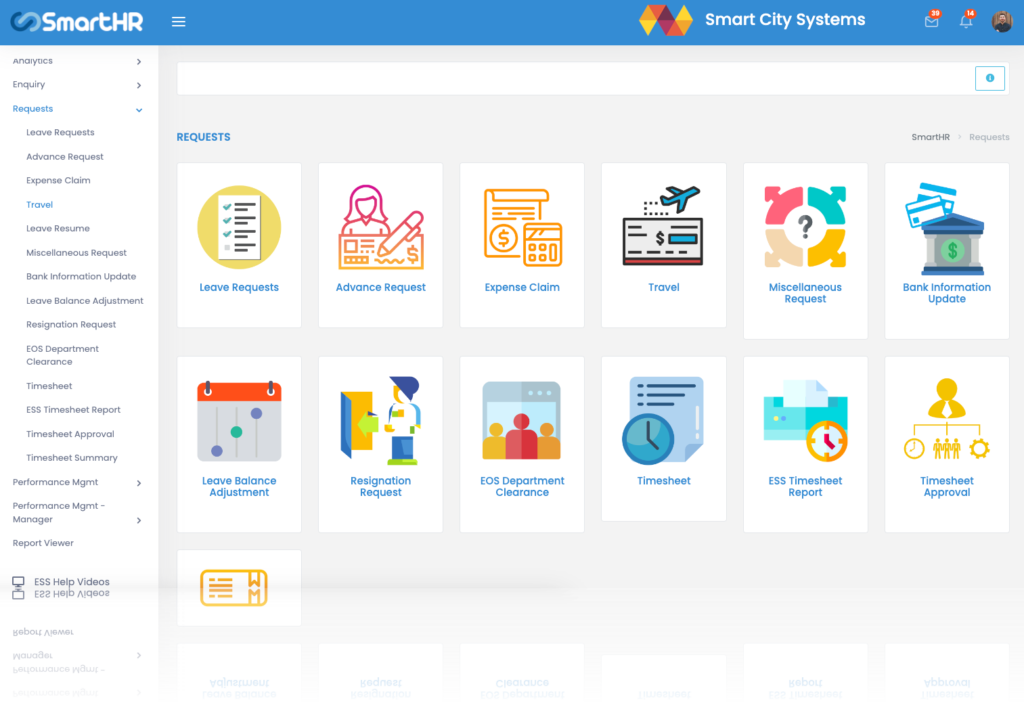
Why SmartHR Is the Best HR Software for UAE Companies in 2026? Introduction Running a business in the United Arab Emirates in 2026 feels a bit like juggling while riding a fast-moving train. New labor laws, a diverse workforce, remote teams, and rising employee expectations—how do you keep everything on track without dropping the ball? That’s where the right HR software comes in. And if you’ve been searching for a solution that truly understands UAE businesses, there’s one name that keeps standing out: SmartHR. So, what makes SmartHR different? Why are so many UAE companies choosing it over other HR tools? Let’s explain it in simple terms. The HR Challenges UAE Companies Face in 2026 Hiring and payroll are no longer the only aspects of HR in the UAE. Businesses deal with frequent labor law updates, multi-national employees, visa requirements, and complex salary structures. Managing all this manually—or with outdated software—is like using a paper map in a city full of smart GPS systems. It works… but barely. What Modern Businesses Expect from HR Software Today’s companies want HR software that is: Easy to use Legally compliant Fast and accurate Accessible from anywhere Affordable Most importantly, they want something that saves time instead of creating more work. An Overview of SmartHR SmartHR is an all-in-one HR software designed to simplify people management. It handles everything from employee records and payroll to attendance, compliance, and reporting—all in one clean dashboard. Think of it as a digital HR assistant that never sleeps and never forgets. Built for UAE Labor Law Compliance One of SmartHR’s key strengths is its compliance with UAE labor law. Automatic updates when laws change End-of-service benefits calculated correctly Accurate leave and overtime policies Instead of worrying about penalties or mistakes, HR teams can breathe easy knowing the system has their back. Simple and Stress-Free Payroll Management Payroll mistakes are both expensive and embarrassing. SmartHR helps UAE companies: Run payroll in minutes Manage allowances and deductions Handle WPS-ready salary structures Generate payslips automatically It’s like switching from handwritten notes to a calculator—you instantly feel the difference. Employee Self-Service That Actually Gets Used Let’s be honest: employees don’t want to email HR for every small request. With SmartHR’s employee self-service portal, staff can: Apply for leave Download payslips Update personal details Check attendance This reduces HR workload and gives employees more control—win-win. Managing a Diverse and Multinational Workforce People from all over the world work for UAE companies. Different contracts, holidays, and benefits can get messy fast. SmartHR makes it easy to: Customize policies by role or nationality Track visa and document expiry Manage multiple employment types It keeps everything organized under one roof. Attendance, Leave, and Shift Management Made Easy No more spreadsheets. No more guesswork. SmartHR offers: Real-time attendance tracking Flexible shift scheduling Automated leave balances Managers always know who’s in, who’s out, and who’s late—without micromanaging. Cloud-Based Access for Hybrid and Remote Teams In 2026, work doesn’t happen only in offices. Because SmartHR is cloud-based, teams can: Access HR data from anywhere Approve requests on the go Manage remote staff with ease It’s HR that moves at the speed of modern work. Data Security and Privacy You Can Trust HR data is sensitive. SmartHR takes security seriously with: Encrypted data storage Role-based access Secure cloud infrastructure Your employee information stays protected, just like it should. Easy Integration with Business Tools SmartHR plays well with others. It integrates smoothly with: Accounting software Attendance devices ERP and finance tools As a result, there will be fewer mistakes and manual data entry. Cost-Effective for Startups and Enterprises Whether you’re a 10-person startup or a 1,000-employee enterprise, SmartHR fits your budget. Flexible pricing No unnecessary features High ROI Only what you truly need is paid for. Real-Time Reports for Smarter Decisions Good decisions need good data. SmartHR provides: Attendance reports Payroll summaries Employee performance insights All available in real time, helping leaders plan better and act faster. Scalable Software That Grows with Your Business Your business todaywon’t look the same tomorrow. SmartHR scales easily as you: Hire more employees Open new branches Expand across regions Switching systems every few years is not necessary. Customer Support That Feels Human Ever contacted support and felt ignored? SmartHR offers responsive, knowledgeable support that understands UAE business needs. When problems arise, help is just a call or click away. Conclusion Choosing HR software isn’t just a technical decision—it’s a business one. In 2026, UAE companies need tools that are smart, reliable, and built for local realities. SmartHR stands out because it combines simplicity, compliance, flexibility, and affordability in one powerful platform. It doesn’t just manage HR—it makes it better. If HR is the engine of your business, SmartHR is the oil that keeps everything running smoothly. Frequently Asked Questions (FAQs) 1. Is SmartHR appropriate for UAE small businesses? Yes, SmartHR is ideal for small and medium businesses thanks to its flexible pricing and easy setup. 2. Does SmartHR support UAE labor law compliance? Absolutely. SmartHR is designed to align with UAE labor laws and updates automatically. 3. Can employees access SmartHR remotely? Yes, SmartHR is cloud-based, allowing employees and managers to access it from anywhere. 4. Is SmartHR difficult to use for non-technical users? Not at all. Its simple interface is designed for everyday users, not IT experts. 5. Can SmartHR grow with my company over time? Yes, SmartHR is fully scalable and adaptable as your business expands.